I’ve noticed this in myself and some friends:
Sometimes, we have these clear goals and objectives, but we don’t follow them through. And it’s not because of a bad strategy, it’s because we keep changing the plan.
For example, I’ve often overengineered my approach to learning the Thai language like trying to learn the writing system first, special tutoring setups or using other ‘hacks’ as a way to try better at the language faster and with less effort.
But when I look back later, I realise it almost always probably would’ve been better if I’d just done things the usual, simple way. With a textbook.
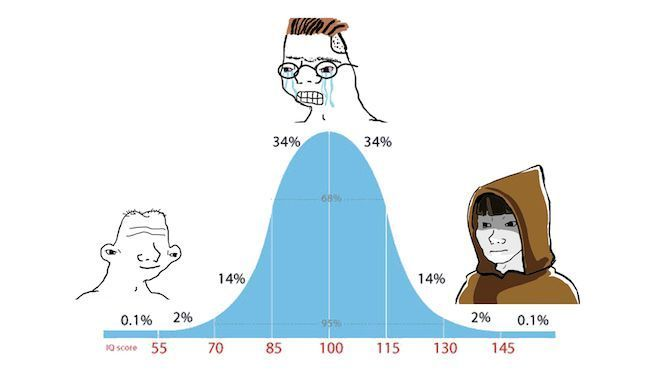
My mate Jordan and I call this “doing the dum dum” – where you do the bird-brain common approach first, without overcomplicating it. For 80–90% of the time, it seems more effective than trying to do anything clever or tricky.
And I see it everywhere.
My mate Chad got fluent enough in massively difficult languages like Arabic and Korean to interpret professionally, purely on the usual classes and textbooks – zero innovations. My mate Oli keeps telling me to just buy the S&P 500 and chill. Another mate Jordan is growing his agency quickly with the standard agency playbook I avoided for ages.
Ok, ok. The universe is sending me a message: a boring approach often beats a clever one.
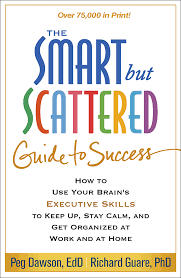
For a long time I didn’t fully register that I was stuck in this overengineering loop until I read the book Smart but Scattered.
You can narrow the whole thing down to the idea that a lot of people have underdeveloped executive skills that quietly hold them back from achieving the things they actually want.
They list 12 executive skills in the book, including:
- Task initiation
- Organisation
- Sustained focus
- Goal persistence
- Emotional control
- Flexibility
- Time management
- etc
There’s a free diagnostic in the book (available here too), which highlighted that I have a fair few of these that are underdeveloped myself.
This is new for me because typically when I feel resistance on a project, my instinct has often been to reconsider the how.
It made me realise that this is where I need to be spending my time for most projects.
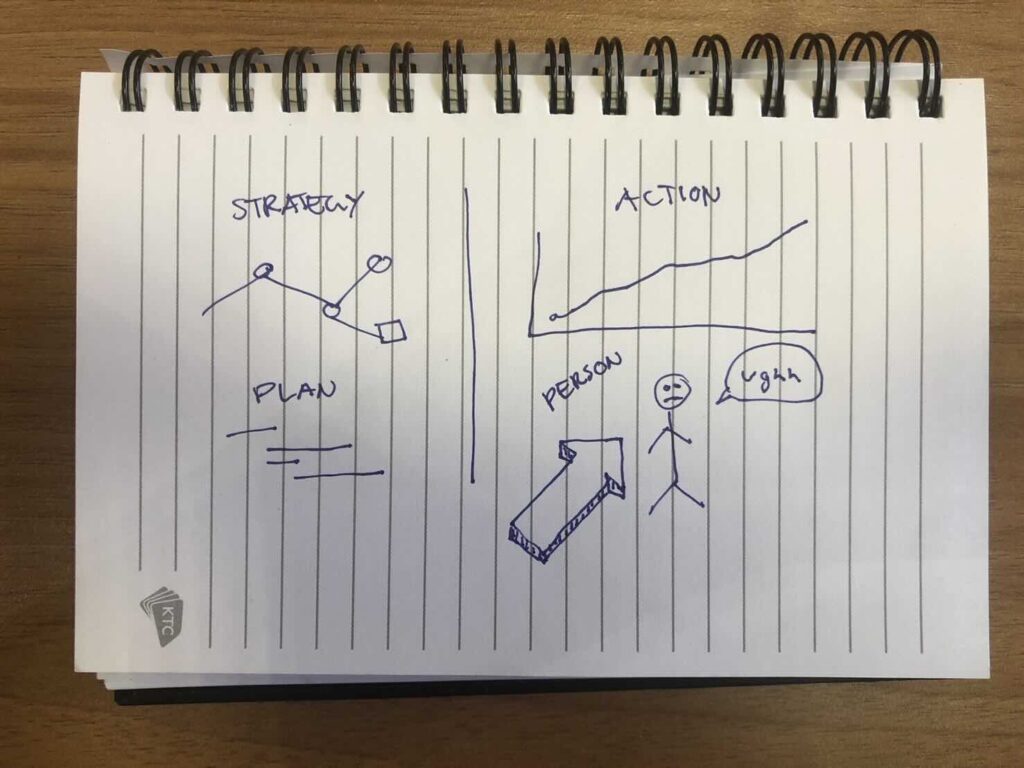
If the plan is initially sound – e.g. well established as effective then most of the effort should actually go into improving the follow-through. And follow-through comes down to improving and developing these executive skills.
So TLDR: change the plan, or change the planner? Most of the time, it’s the planner that needs work.
Where I’m trying this
One executive skill I’m looking to get better at is sustained attention. The suggested fixes are pretty well understood. Break the tasks down, make them as simple and easy as possible, take frequent breaks, etc. All the stuff we already know to do.
The other one I need to work on is goal persistence. The fix there is simple: write down and keep conscious of the projects I’m actually working on.
But the main takeaway for me has been the same. Check the gut instinct to redo the plan, and consider whether it’s an executive skill bottleneck rather than a strategic one.
Does this perspective resonate with anyone else?